Projects
DevPlan MCP Server
FeaturedAI coding assistants lose context between sessions, skip steps, and produce inconsistent code. DevPlan fixes this with structured planning, automatic validation, and a lessons-learned system that prevents the same mistakes from happening twice.
21 tools across planning, generation, validation, and issue remediation. It interviews you about your project, generates a validated plan, then hands off to AI for mechanical execution — while a separate verifier agent actively tries to break the result.
Works with Claude Code, Cursor, Aider, Cline, and Windsurf. Open source, MIT licensed, runs on Cloudflare Workers.
Nellie
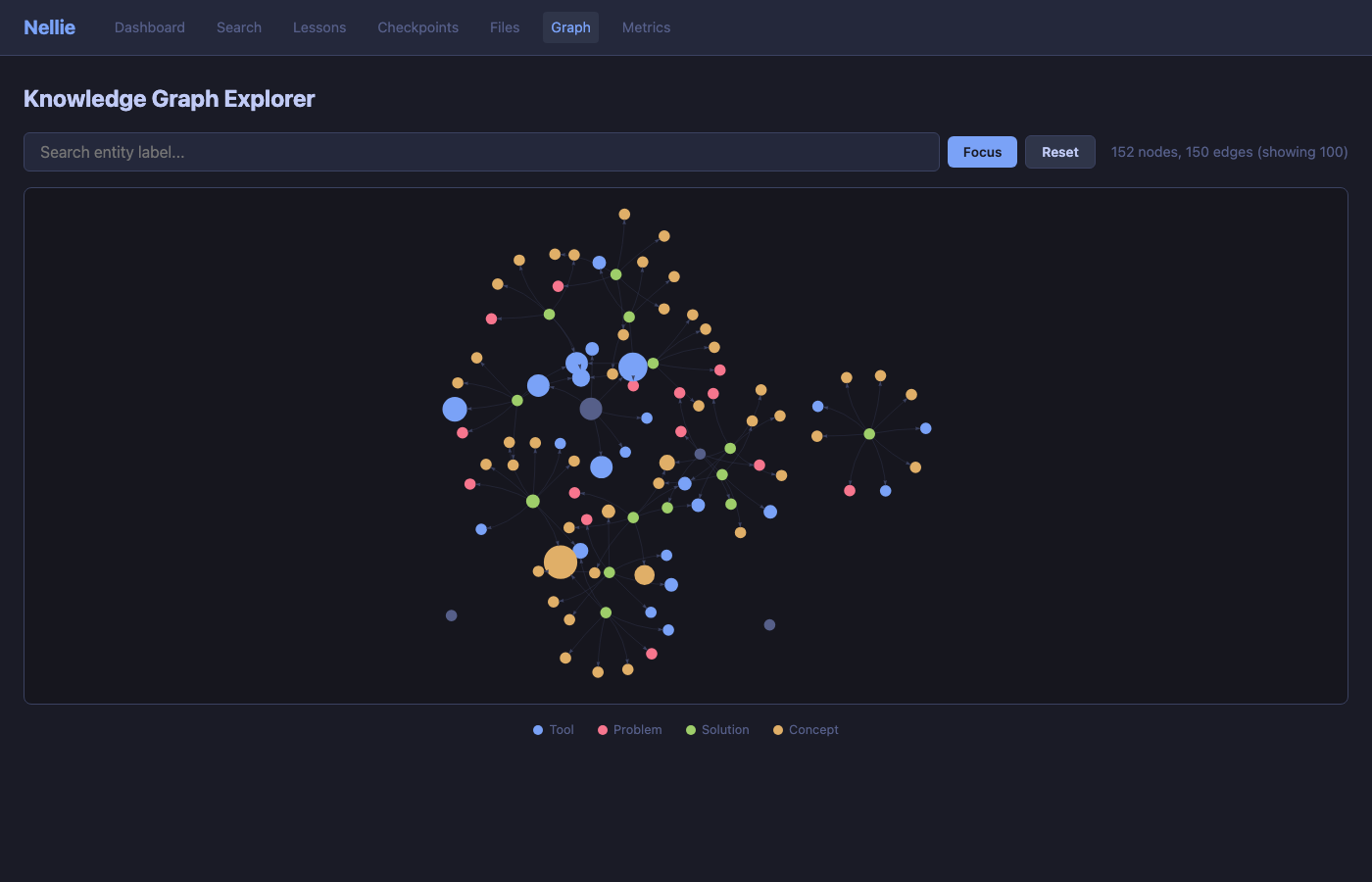
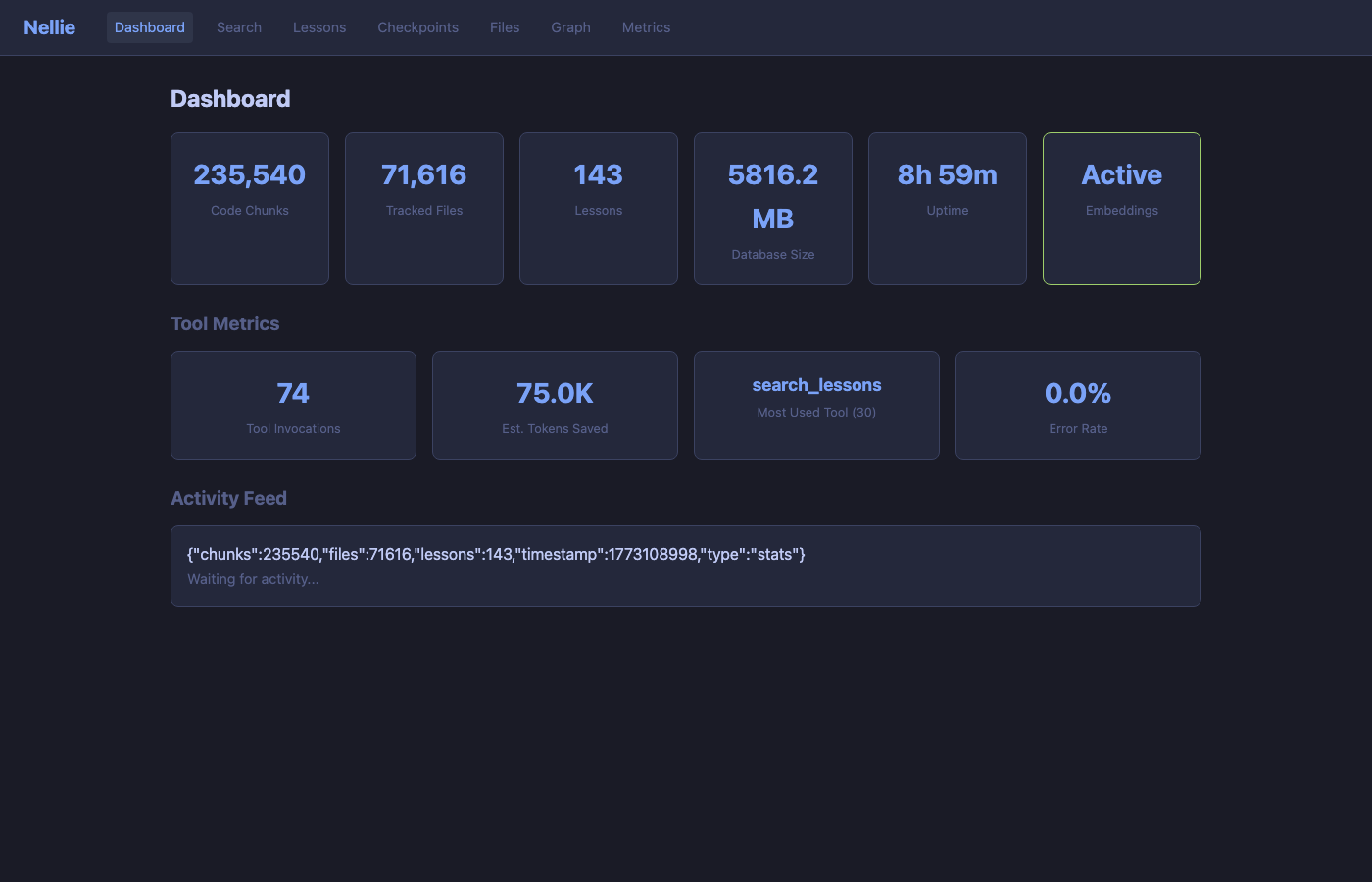
FeaturedHook-based out-of-process context engineering middleware for Claude Code. The model doesn't know it's been augmented — the hook runs first, curates what context reaches the prompt, and reasoning stays cleanly separated from curation. That one design choice unlocks three things at once: universal applicability across every model, skill, and subagent in a Claude Code session; clean replaceability on either side of the boundary; and auditability at the trust boundary — the right shape for CUI-handling, CMMC, and FedRAMP work.
Built in Rust. Persistent memory, checkpoints, and lessons via amp-rs. Semantic code search. A knowledge graph that strengthens connections over time. The Stanford IRIS / MIT Meta-Harness paper named the category last month; Nellie is my implementation of it. v0.5.3 installs in two lines.
amp-rs
The Rust reference implementation of Agent Memory Protocol — structured, persistent memory through three primitives: checkpoints, lessons, and memory. Local-first, fast, and built to be embedded anywhere. Powers Nellie's memory layer.
agent-memory-protocol
The open spec behind amp-rs. Three primitives — checkpoints, lessons, and memory — that let AI agents pick up where they left off instead of starting from zero every session.
AI Gateway
FeaturedOpen-source corporate AI gateway with full audit trail on every LLM interaction. Five layers: Traefik for traffic management, Keycloak for identity and SSO, LiteLLM for unified model routing, Langfuse for observability, and content safety guardrails. Users set one environment variable and their workflow doesn't change — but every query is logged, every cost is tracked, every policy violation is flagged.
Supports both API key and subscription passthrough (Claude Max, Teams). Replaces commercial gateways that charge $2K-20K/month. Runs on a laptop.
Restless
The boredom engine. A proactive agent daemon that observes, orients, decides, and acts — instead of waiting for input. OODA-loop architecture for agents that take initiative.
MESH Protocol
Memory Exchange & Sharing Hub — a secure federation protocol for AMP nodes. Share agent memory across teams without giving up control of your data.
Modelarr
Radarr/Sonarr for LLM models. Monitors HuggingFace for new releases matching a watchlist and auto-downloads them to a local library. Set it and forget it.
M365-Sim
Drop-in Microsoft Graph API mock server for testing. Returns realistic JSON fixtures for 50+ endpoints across 3 cloud targets (Commercial, GCC, GCC-High) and 3 scenarios (greenfield, hardened, partial deployment). Point your Graph client at localhost instead of graph.microsoft.com — same response shapes, zero auth required.
Supports stateful mode for deploy-then-verify workflows, $filter/$expand/$top query parameters, and error simulation (throttling, 403s, 500s). Built for testing CMMC compliance tooling without touching a real tenant.